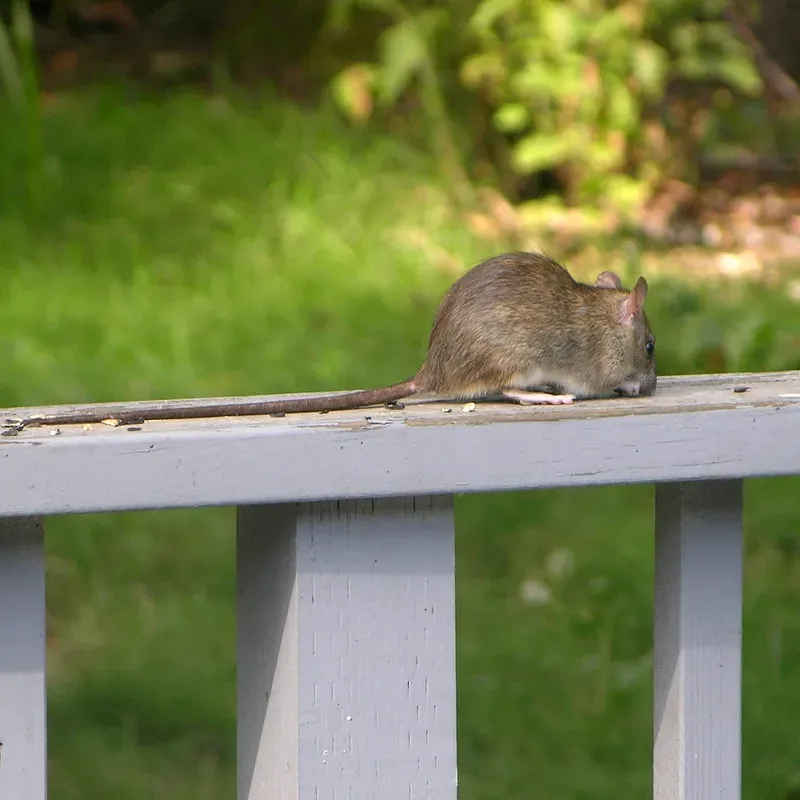
Ship Rat
The ship rat, also known as the black rat, is arguably the most widespread mammalian predator in New Zealand's forests. An exceptional climber, it can reach bird nests at any height in the canopy and is responsible for enormous losses of eggs, chicks, and even adult birds. Ship rats arrived on the first European vessels and quickly colonised forests across the country.
Impact on Native Wildlife
Ship rats are the primary predator of seabird colonies, tern nesting sites, and forest-nesting birds. They destroy eggs and kill chicks of dozens of native species including tūī, bellbird, kererū, and shearwaters. In mast years, rat populations can increase 10-fold in weeks, creating devastating predation pressure on all ground and tree-nesting birds.
Signs to Look For
Gnawed snail shells, chewed seed pods, and droppings along branch lines are telltale signs. Tracking tunnels reveal distinctive five-toed footprints. Nesting birds found dead with no visible wounds are often a sign of rat predation.
Did you know?
A single female ship rat can produce up to five litters per year, with up to eight pups per litter. This explosive breeding rate means rat populations can double in under a month under good conditions — which is why consistent trapping is so critical.
Spotted a Ship Rat?
Report your sighting and help us track predator activity in the area.
Report a Sighting